Back Safety Courses

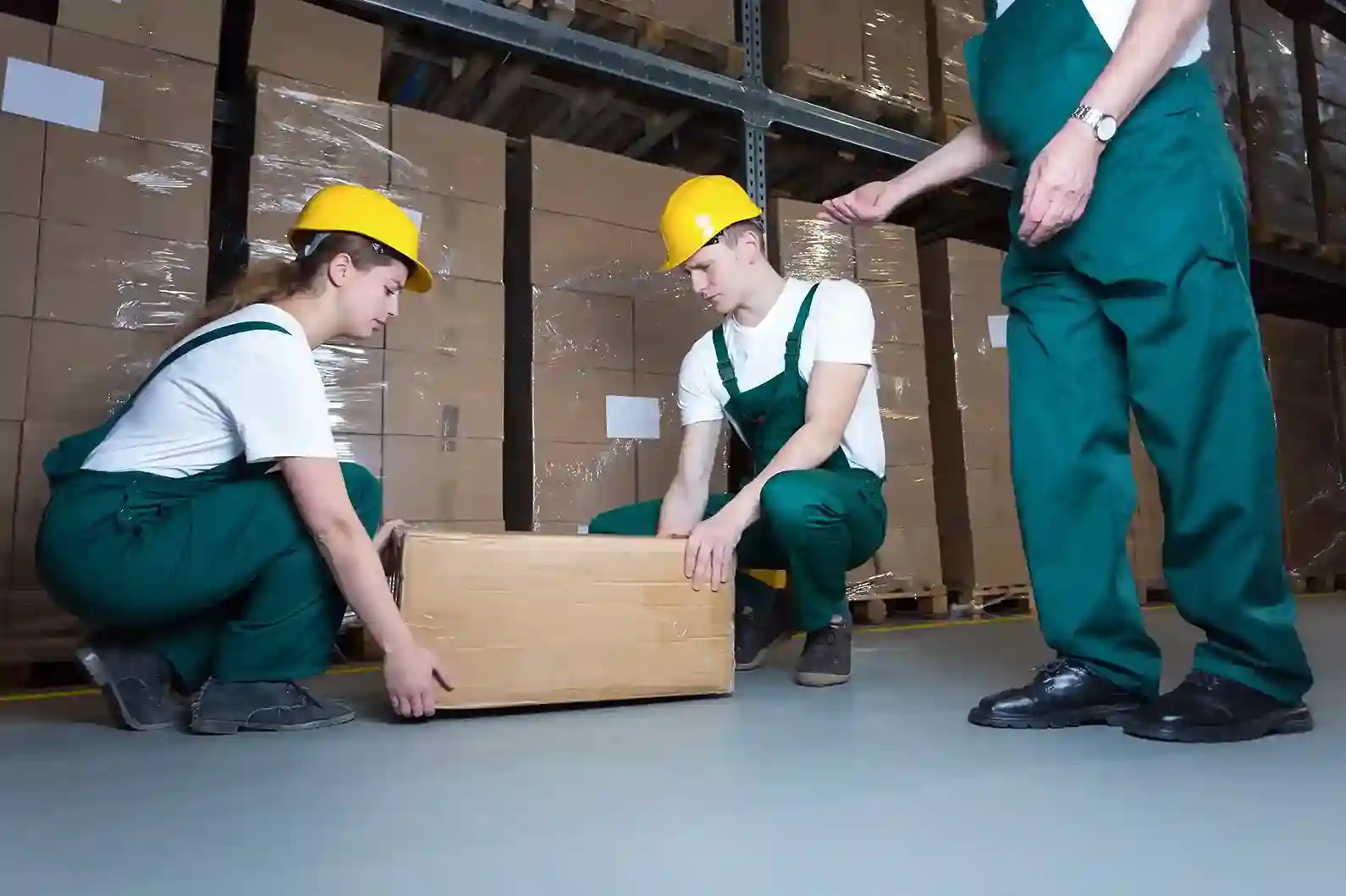
Reduce injuries and improve workplace safety with our back safety training courses. These programs teach employees how to prevent back injuries through proper lifting techniques, posture awareness, and safe movement practices. Participants learn how to identify risk factors, use ergonomic tools, and maintain physical health while performing daily tasks. Back safety training helps organizations lower injury rates, reduce workers’ compensation claims, and promote long-term employee well-being.
More Courses

Frequently Asked Questions

Back safety training teaches employees how to prevent back injuries during lifting, carrying, and other physical tasks. It covers proper lifting techniques, posture, ergonomics, and safe work practices. Training helps workers protect their spine and muscles while reducing the risk of strain, pain, and long-term injury.
Back injuries are one of the most common workplace injuries and can cause long-term pain and lost work time. Safe lifting and proper posture help prevent muscle strain and spinal stress. Protecting the back improves employee health, reduces absenteeism, and lowers compensation costs.
Employees who lift, carry, push, or move materials should take back safety training. This includes workers in healthcare, warehousing, manufacturing, construction, and delivery services. Anyone performing physical tasks can benefit from learning safe body mechanics and injury prevention techniques.
Improper lifting techniques, twisting while carrying loads, and lifting heavy or awkward items are major causes of injury. Poor posture and repetitive movements also increase risk. Standing or sitting for long periods can strain muscles and lead to back pain.
Employees should bend at the hips and knees while keeping the load close to the body. Using leg muscles instead of the back reduces strain. Workers should avoid twisting and should plan the lifting path before moving an object.
Back injuries can be prevented by using safe lifting techniques and mechanical aids when needed. Maintaining good posture and avoiding sudden twisting movements reduces strain. Stretching, strengthening exercises, and proper ergonomics also support injury prevention.
Back safety training reduces injuries and lost work time. It improves employee comfort and productivity while lowering compensation claims. Workers gain skills that protect them both at work and at home.
OSHA does not mandate a specific back safety course but requires employers to provide a safe workplace. Training on safe lifting and ergonomics supports compliance with injury prevention responsibilities. Employers often provide training to reduce risk and meet safety obligations.
Mechanical aids such as forklifts, dollies, carts, and lift tables reduce lifting strain. Adjustable work surfaces and lift-assist devices help keep loads at safe heights. Using proper equipment prevents overexertion and injury.
Back safety training should be provided during onboarding and reinforced regularly. Many organizations provide refresher training annually or when job tasks change. Ongoing training helps reinforce safe lifting habits.
0
0
Your Cart
Your cart is emptyReturn to Shop