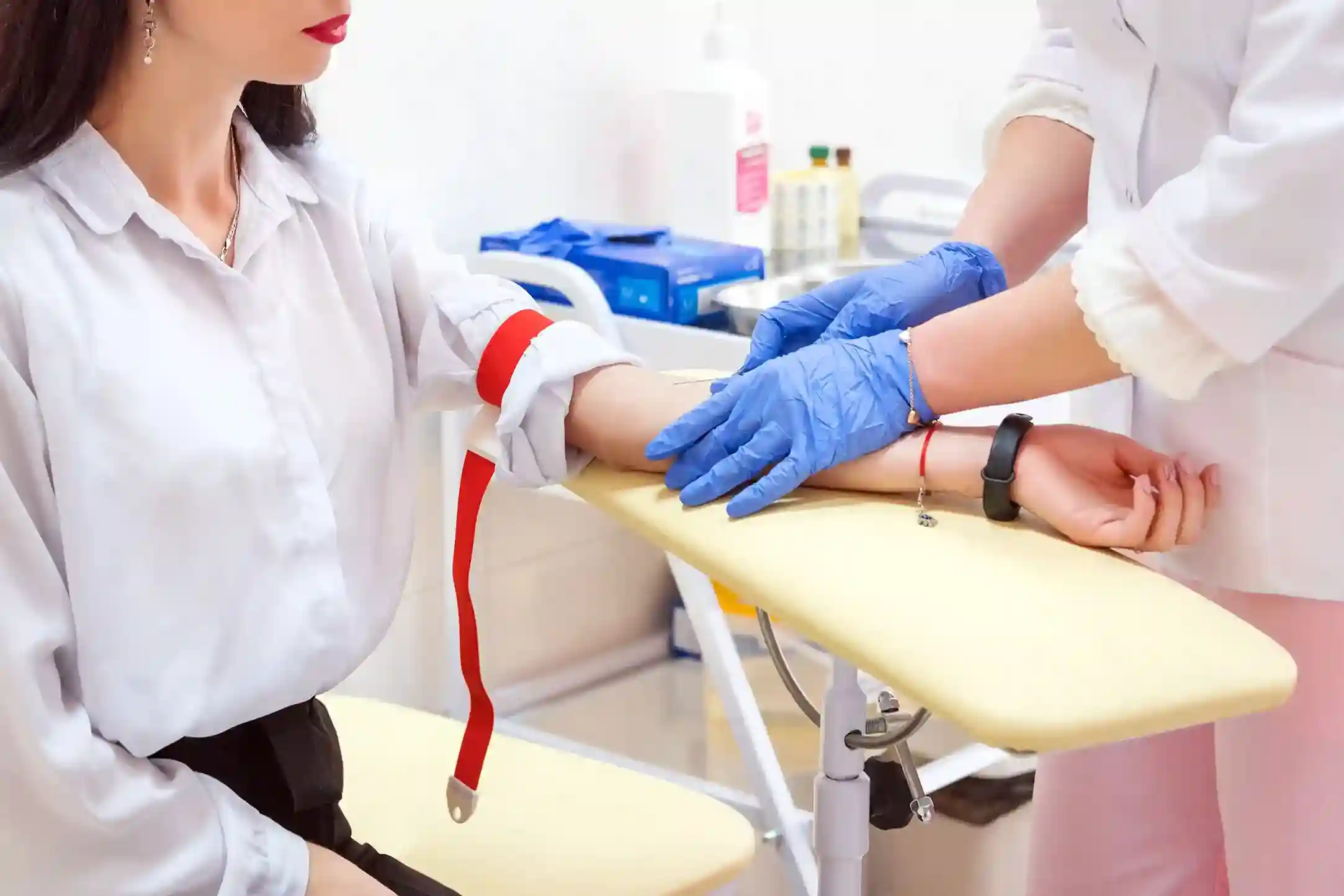
Bloodborne Pathogens Courses

Bloodborne pathogens training helps employees understand how to recognize, prevent, and respond to potential exposure to infectious materials in the workplace. Designed for both healthcare professionals and industrial workers, these courses cover essential topics such as OSHA’s Bloodborne Pathogens Standard, exposure control plans, personal protective equipment (PPE), safe work practices, proper handling and disposal of contaminated materials, and post-exposure procedures. Whether employees provide direct patient care, perform maintenance, respond to emergencies, or work in environments where exposure to blood or other potentially infectious materials is possible, this training provides the practical knowledge needed to reduce risk, maintain compliance, and create a safer workplace for everyone.

More Courses

Frequently Asked Questions

Bloodborne pathogens are microorganisms present in human blood that can cause disease. They enter the body through broken skin, mucous membranes, or puncture wounds. Common examples include viruses that can cause serious infections and long-term health problems.
Employees with occupational exposure to blood or other potentially infectious materials must complete training. This includes healthcare workers, first responders, custodial staff, and laboratory personnel. Training ensures workers understand risks and safe work practices.
OSHA requires training for employees who may be exposed to bloodborne pathogens. Training must cover transmission risks, protective measures, and emergency procedures. Employers must provide training at no cost and during work hours.
Employees must complete bloodborne pathogens training annually. Annual training reinforces safety practices and updates workers on new procedures. Regular instruction helps maintain awareness and compliance.
Bloodborne pathogens include diseases spread through infected blood. Common examples include hepatitis B, hepatitis C, and human immunodeficiency virus. These infections can cause serious illness and long-term health complications.
Bloodborne pathogens spread through contact with infected blood or bodily fluids. Transmission can occur through needle sticks, cuts, or contact with broken skin. Splash exposure to eyes, nose, or mouth can also pose risk.
Universal precautions treat all blood and certain body fluids as potentially infectious. This approach reduces exposure risk in every situation. Consistent use of precautions helps prevent workplace infections.
Wash the affected area immediately with soap and water. Report the incident to a supervisor and seek medical evaluation. Prompt reporting ensures proper treatment and documentation.
Employers must provide training, protective equipment, and safety procedures. They must maintain an exposure control plan and offer hepatitis B vaccination when required. Employers must also document training and exposure incidents.
0
0
Your Cart
Your cart is emptyReturn to Shop